Introduction
Planning air conditioning maintenance in Skokie, Illinois involves two practical questions: when should you schedule service, and how should you think about the overall investment of time and resources? While every home and system is unique, there are consistent patterns that help you make smart decisions. This guide explains seasonal timing, task frequency, and value drivers that influence maintenance planning. You will learn how to build a schedule that aligns with local weather, how to prioritize tasks, and how to evaluate the long-term benefits of preventive care without focusing on line-item amounts.
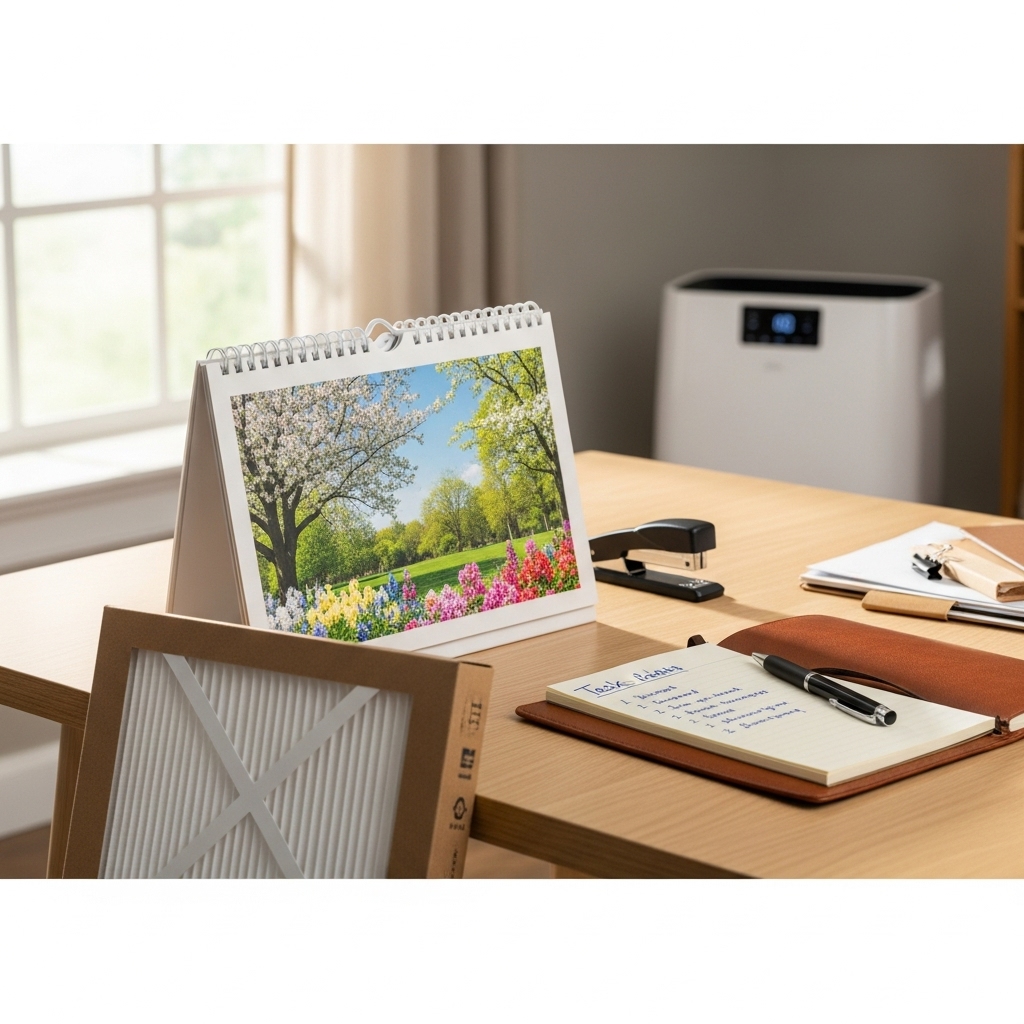
Because maintenance spans homeowner tasks and professional evaluations, it is useful to map out responsibilities in a simple calendar. Homeowners can handle filter changes, coil rinsing, and condensate checks, while technicians verify electrical performance, measure refrigerant parameters, and confirm safe operation. If you prefer a turnkey approach that saves time, consider scheduling professional air conditioning maintenance in spring to prepare for summer and again for a brief midseason check if your home sees heavy cooling demand.
Seasonal Timing for Skokie
Spring is the prime season to complete a comprehensive tune-up. Weather is mild enough to test the system under manageable conditions, and scheduling is typically more flexible than during heat waves. A thorough spring visit catches issues before they are stressed by high temperatures and humidity. A short midseason touch-up—focused on filters, outdoor coil cleanliness, and the condensate drain—helps maintain performance during cottonwood and pollen peaks. In early fall, another filter check and quick drain inspection protect against shoulder-season humidity and lingering debris.
Monthly and Quarterly Tasks
Monthly filter checks are the backbone of a maintenance schedule. Replace filters every one to three months depending on household conditions. During the cooling season, add a quick visual inspection of the outdoor unit for debris and confirm that all supply registers remain open and unobstructed. Quarterly, flush the condensate drain, verify the thermostat schedule still matches your routine, and walk the home to confirm consistent airflow from room to room.
Annual Deep-Dive Tasks
Once a year, plan for a deep cleaning and performance review. Homeowners can rinse the outdoor coil gently, clean the return grille, and ensure insulation on the suction line is intact. A professional should inspect electrical components, test capacitors and contactors, measure superheat and subcooling, check blower performance, and verify safety switches. This combined effort establishes a solid baseline and reduces the likelihood of midsummer breakdowns.
Value Drivers That Matter
The value of maintenance grows from several sources: fewer interruptions during extreme heat, steadier comfort with balanced airflow and humidity control, and energy use that tracks closer to the equipment’s rated efficiency. Clean coils and filters reduce runtime, accurate refrigerant charge supports proper heat transfer, and clear drains prevent water damage. Over time, these benefits add up, supporting longer equipment life and more predictable performance from season to season.
Prioritizing When Time Is Limited
When schedules are tight, focus on tasks that have the biggest impact. Replace or clean filters, rinse the outdoor coil, confirm the drain is clear, and verify the thermostat schedule. These steps address airflow, heat exchange, and moisture management—the pillars of reliable cooling. Document what you did and set a reminder to return to lower-priority items when you have more time. Consistency is more important than perfection for maintenance outcomes.
Aligning Maintenance with Household Patterns
Match your schedule to your lifestyle. If you are out of town frequently, use programmable schedules that avoid unnecessary runtime. If you host summer gatherings, ensure your deep cleaning occurs before those events. Homes with pets, open windows in spring, or ongoing renovations may require more frequent filter changes and coil checks. The best plan is the one you can follow consistently, tailored to how you actually live.
What Influences Overall Investment
Several factors influence the resources you dedicate to maintenance: system age, equipment complexity, home size, duct condition, and indoor air quality goals. Older systems may require closer attention to electrical components; advanced systems may include variable-speed motors or additional sensors to verify. Ducts with leakage or poor insulation can undermine even the best mechanical maintenance, so include duct evaluation in your plan. Align expectations with your home and equipment—not a generic template.
Signs You Should Adjust the Schedule
Be ready to shift your plan if comfort falters. Indicators include longer runtimes to reach set-point, uneven room temperatures, ice on refrigerant lines, musty odors, or frequent drain clogs. A spike in noise from the outdoor unit or unusual vibrations are prompts to investigate sooner. The goal is to prevent small issues from compounding into larger problems. Capturing these signals early makes maintenance more effective and less disruptive.
Recordkeeping and Reminders
Maintain a simple log that captures filter changes, coil rinsing, drain flushing, thermostat updates, and any professional visits. Add notes on comfort, humidity, and noise. Use calendar alerts to prompt monthly checks and seasonal tasks. Good records make patterns visible—such as a room that warms up each July—and help technicians diagnose quickly if you request service. This documentation also supports warranty expectations for routine care.
Coordination with Professionals
Decide which work you want a technician to perform each year. A typical professional visit includes electrical tests, refrigerant measurements, blower performance checks, and a review of safety controls. You can make that visit more efficient by cleaning the outdoor unit and replacing the filter ahead of time, ensuring clear access to equipment, and sharing your maintenance log. Collaboration reduces time on site and helps confirm a complete, accurate evaluation.
Home Efficiency and Load Reduction
The best maintenance schedule is reinforced by smart load management. Close blinds on sun-facing windows during the day, use ceiling fans to enhance comfort at slightly higher set-points, and seal gaps around doors and windows. Insulation improvements in the attic can significantly reduce cooling load. These steps reduce strain on the system, which indirectly reduces the time and attention your equipment requires to deliver comfortable results.
Mid-Plan Checkpoint
Midway through summer, take 15 minutes to verify filter condition, coil cleanliness, drain flow, and thermostat function. Run a performance check with a simple thermometer at a return and a nearby supply to confirm a healthy temperature drop. If you notice deviation from your spring baseline—such as longer runtimes or noisier operation—plan a targeted tune-up. For added assurance or if you prefer a hands-off approach, schedule professional air conditioning maintenance to keep performance steady through the hottest weeks.
Frequently Asked Questions
Q: When should I schedule my main AC maintenance visit? A: Spring is ideal for comprehensive evaluation and cleaning, with a short midseason touch-up if conditions warrant.
Q: How often should I change my filter? A: Inspect monthly and replace every one to three months depending on pets, construction dust, and allergy needs.
Q: Do I need to clean the outdoor unit? A: Yes, a gentle rinse removes pollen and debris. Maintain clear space around the condenser for unrestricted airflow.
Q: Is continuous fan operation a good idea? A: Not always. Auto mode often controls humidity better by avoiding re-evaporation of moisture from the coil.
Q: What are signs I should move up my next maintenance task? A: Ice on lines, musty odors, water near the air handler, short cycling, or unusually warm supply air all justify earlier attention.
Q: How do I plan maintenance for an older system? A: Keep a closer eye on electrical components, confirm safe operation, and consider more frequent professional evaluations.
Q: Do duct issues affect my maintenance schedule? A: Yes. Leaky or poorly insulated ducts can undermine performance. Include duct inspections and sealing in your plan as needed.
Q: Should I cover my outdoor unit in winter? A: A breathable top cover can reduce debris, but avoid full wraps that trap moisture. Always remove covers before spring startup.
Q: How do I track whether my schedule works? A: Keep a log, compare summer performance year to year, and note any recurring symptoms that suggest adjustments.
Q: Can I combine tasks to save time? A: Yes. Pair filter changes with thermostat schedule checks and drain flushing. Simple routines are easier to maintain.
Put Your Plan into Action
With a clear schedule and a focus on high-impact tasks, you can keep your air conditioner running reliably through Skokie’s hottest days. Document your work, watch for signals that adjustments are needed, and coordinate with a trusted technician for deeper evaluations. If you want a convenient, expert-led approach that confirms safe, efficient performance, book professional air conditioning maintenance ahead of the next heat wave. A steady plan today translates to comfort, confidence, and fewer surprises all summer.


