Introduction
Keeping your air conditioner in top shape is essential for comfort, safety, and energy efficiency in Skokie, Illinois. Hot, humid summers push cooling systems hard, and even small issues such as a partially clogged filter or a miscalibrated thermostat can raise energy use and shorten equipment life. A thorough, repeatable maintenance routine protects your investment, preserves indoor air quality, and reduces the likelihood of inconvenient breakdowns on the hottest days. This comprehensive checklist explains what to inspect, how to clean and test components, and how to recognize early warning signs that call for a professional evaluation.
Before you begin, remember that some tasks are ideal for homeowners while others are better left to a licensed technician. Electrical work, refrigerant diagnostics, and any repairs that require opening sealed components should be handled by professionals. Meanwhile, cleaning, visual inspections, and performance checks are safe and effective at the homeowner level. If you prefer expert help for routine air conditioning maintenance, schedule service before the heat sets in so your system is tuned and ready for summer.
Safety First
Start every maintenance session by shutting off power at the disconnect near the outdoor unit and at the indoor air handler’s switch or breaker. Confirm the system is off by attempting to start a cooling cycle with the thermostat. Let components rest for several minutes so moving parts, such as the outdoor fan, come to a full stop. Wear gloves and eye protection for cleaning tasks and avoid leaning on copper refrigerant lines. Never remove panels that expose high-voltage terminals unless you are qualified. When in doubt, stop and call a professional rather than taking a risk.
Tools and Supplies
For homeowner tasks, basic supplies are sufficient: a flashlight, a soft brush, a garden hose with a spray nozzle, a small level, mild detergent, paper towels or microfiber cloths, and a wet/dry vacuum for condensate cleaning. Keep manufacturer-approved filters on hand, plus zip ties or Velcro straps to secure insulation on refrigerant lines. A simple thermometer and a tape measure are helpful for airflow and temperature checks. Store everything together so your annual routine is quick and consistent.
Thermostat and Controls
Begin with the thermostat. Replace batteries if present, confirm date and time are correct, and verify the cooling mode. Program schedules that match your daily routine, ensuring a modest set-back while you are away and a comfortable set-point during occupied hours. Test the system by lowering the set-point a few degrees and listening for the outdoor unit and indoor blower to engage. If your thermostat has learning or geofencing features, review them annually to ensure they reflect your current habits, as this can significantly reduce runtime without sacrificing comfort.
Air Filter and Return Path
Inspect the air filter monthly during summer and replace it at least every one to three months, depending on the filter type and household conditions. A dirty filter restricts airflow, causing coils to run cold, increasing the risk of icing, and forcing the blower to work harder. Check the filter rack for gaps that allow air to bypass the filter, and ensure the filter arrows point toward the air handler. Vacuum dust from the return grille and confirm return pathways are not blocked by furniture, rugs, or closed interior doors that can starve the system of air.
Supply Registers and Airflow
Walk room to room and open all supply registers fully. Clean dust from louvers and avoid closing vents to redirect air, which can upset system balance and raise static pressure. Keep drapes and furniture clear of registers. If any room consistently feels warmer, note it for further evaluation. Issues may include duct leaks, undersized runs, or poor diffusion from the register. Balanced airflow is critical for comfort and coil performance, so make these checks part of every maintenance session.
Outdoor Condenser Coil
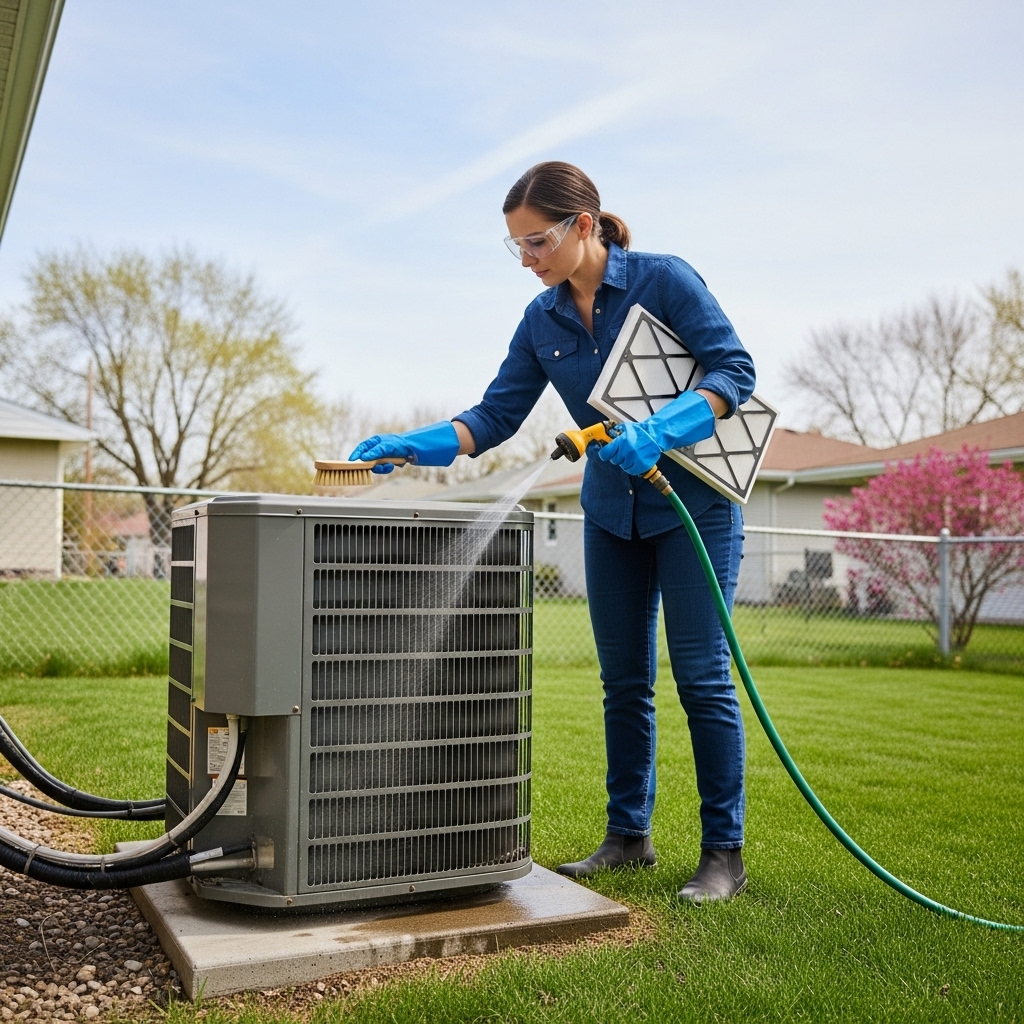
Clear vegetation within two feet of the outdoor unit on all sides and above. Gently rinse the condenser coil from the inside out if access allows, or from outside in with a light spray, taking care not to bend delicate fins. Remove leaves, twigs, and grass clippings from the cabinet base. Verify the unit sits level and stable; a tilted condenser can strain the fan motor and compressor. Listen for unusual noises such as rattles or buzzing that may indicate loose panels or contactor wear. Avoid pressure washers or harsh chemicals that can damage fins or coatings.
Indoor Evaporator Coil Area
If you can access the evaporator coil without removing sealed panels, vacuum around the cabinet exterior and gently clean the coil housing surfaces. A dust-free plenum helps keep debris out of the coil face. Look for signs of icing, rust streaks, or biological growth. If the coil is visibly dirty or airflow is poor despite a clean filter, schedule a professional coil cleaning. Keeping the evaporator clean is essential for heat transfer and to prevent moisture carryover that can lead to humidity issues and odors.
Condensate Drain and Pan
Locate the condensate drain and primary pan below the evaporator coil. Flush the drain with warm water to confirm flow. Use a wet/dry vacuum at the outdoor termination to clear sludge, and consider a small amount of mild detergent or an approved cleaner to break down films. Examine the pan for cracks or rust and confirm that any float switch is operational by gently lifting it to test an automatic shutoff. A clear drain prevents water damage, microbial growth, and nuisance leaks during peak cooling season.
Refrigerant Lines and Insulation
Inspect the larger suction line’s insulation from the outdoor unit to the home. Replace missing or damaged foam to prevent condensation and energy loss. Check for kinks or obvious damage to copper lines, and ensure line sets are secured to prevent vibration rubs against metal or concrete. While refrigerant work should be left to professionals, noting oil stains or a strong chemical odor can help you catch a leak early. Record your observations so a technician can diagnose quickly if needed.
Blower Compartment and Motor
Turn power off and open the blower panel if it is safe and accessible. Vacuum dust from the cabinet, taking care not to disturb wiring. Inspect the blower wheel for debris buildup; even a thin layer of dust reduces airflow and efficiency. Some motors are permanently lubricated, while older designs may have oil ports. Follow manufacturer guidance—if lubrication is required, use the correct oil and avoid overfilling. Confirm the blower door panel fits snugly; an air leak at this panel can reduce performance and draw unfiltered air into the system.
Electrical Connections and Safety Checks
Without removing covers over high-voltage components, you can still observe for heat discoloration, brittle insulation, or loose conduit. Verify the outdoor disconnect is intact and weather tight. Listen for rapid clicking or chattering from contactors when the system starts, which may indicate pitted contacts or low voltage. Any suspected electrical faults should be escalated to a professional immediately. Reliable electrical connections help motors start cleanly and reduce stress on the compressor.
Performance Testing
With filters clean and panels secured, run the system for at least 15 minutes on a warm day. Use a simple thermometer to measure the temperature at a central return grille and at the nearest supply register; a typical temperature drop is noticeable, though precise targets vary by equipment and conditions. Walk the home to check for even cooling, reasonable humidity, and steady airflow. Note any blower surging, short cycling, or warm supply air. Early detection of irregularities prevents larger failures and ensures summer-ready reliability.
System Balance and Duct Integrity
Ductwork leaks can waste energy and cause comfort complaints. Look for disconnected or crushed flex duct runs and gaps at plenums or boots where ducts meet supply grilles. Sealing ducts with quality mastic or foil tape (not cloth duct tape) is best left to a technician if the ducts are hard to reach. Good duct integrity supports even temperatures, lowers runtime, and helps maintain cleaner indoor air.
Energy and Comfort Tweaks
Small adjustments add up. Close blinds during the day on sun-exposed windows, use ceiling fans to enhance perceived cooling, and avoid heat-generating tasks during peak afternoon hours. Set the thermostat to the highest comfortable temperature to reduce strain on your system. Consider adding weatherstripping, sealing gaps around doors, and improving attic insulation for longer-term efficiency. These upgrades complement mechanical maintenance and can noticeably improve comfort in Skokie’s summer climate.
Midseason Touch-Up
Midway through the cooling season, do a brief touch-up: check the filter, rinse the outdoor coil if it looks dusty, and confirm the condensate drain is flowing. Listen for any new sounds and ensure the system still reaches set-point without excessive runtime. If you detect musty odors, a change in airflow, or temperature swings, schedule a midseason check to correct issues before extreme heat arrives. If you need additional guidance or prefer a professional tune-up, consider booking air conditioning maintenance to keep performance on track.
When to Call a Professional
Call a technician for persistent warm air, icing on the refrigerant lines, breaker trips, water around the air handler, or short cycling. Unusual noises—squeals, grinding, or loud buzzing—may indicate motor or compressor issues. Professional instruments measure refrigerant pressures, superheat and subcooling, and electrical performance, allowing precise diagnosis that saves time and protects your equipment. Annual professional service pairs perfectly with your homeowner checklist for comprehensive coverage.
Recordkeeping and Season Planning
Keep a simple log with the date you changed filters, cleaned coils, and flushed the drain. Note thermostat settings and any adjustments, plus observations about room comfort. This record helps you track trends and can be invaluable for a technician if a pattern emerges. Plan your spring or early summer maintenance ahead of heat waves to secure convenient appointments and ensure your system is running at peak efficiency when you need it most.
Frequently Asked Questions
Q: How often should I change my AC filter in summer? A: Inspect monthly and replace at least every one to three months, sooner if you have pets, allergies, or ongoing renovations that create dust.
Q: Can I clean my outdoor condenser coil myself? A: Yes, use a gentle hose spray and avoid bending fins. Skip harsh chemicals and pressure washers. If the coil is heavily impacted, call a professional.
Q: What temperature split should I see between return and supply? A: It varies by system and conditions, but you should feel a clear difference. If supply air feels only slightly cooler than the room, it is time for an evaluation.
Q: Why does my AC freeze up? A: Common causes include restricted airflow from a dirty filter, blocked coil, or low fan speed, as well as refrigerant issues that require professional diagnosis.
Q: Do closed vents save energy? A: Typically no. Closing vents raises static pressure and can reduce efficiency, increase noise, and contribute to coil icing.
Q: What is the best thermostat setting in summer? A: Use the highest comfortable set-point and a consistent schedule. Ceiling fans can raise comfort at slightly higher temperatures.
Q: How do I prevent condensate clogs? A: Flush the drain routinely and keep the pan clean. A float switch provides protection by shutting the system off if water rises.
Q: How long should my AC run per cycle? A: It depends on load and sizing. Excessively short cycles or very long runs can indicate maintenance or sizing issues worth investigating.
Q: Is duct cleaning necessary every year? A: Not usually. Focus on filtration, sealing leaks, and maintaining coils. Clean ducts when there is visible debris or after major renovations.
Q: What are signs I need professional service soon? A: New noises, hot or uneven rooms, musty smells, icing, tripped breakers, or water near the air handler justify a service call.
Ready for Reliable Cooling in Skokie
With this checklist, you can approach summer with confidence, knowing your system is clean, safe, and tuned for comfort. If you want an expert to confirm performance, optimize airflow, and evaluate hard-to-reach components, schedule trusted air conditioning maintenance before the next heat wave. A little preparation now helps ensure quiet operation, steady temperatures, and peace of mind all season long.


