
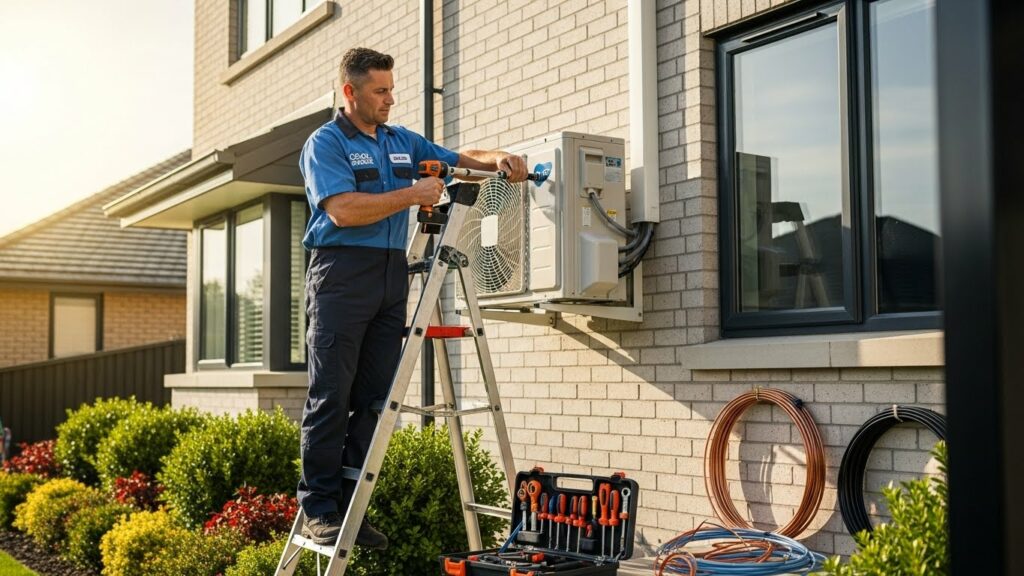
Understanding Air Conditioning Installation: Cost Drivers, Timing, and Permits in Skokie
Planning an air conditioning project in Skokie, Illinois, involves more than choosing a model. You will weigh investment considerations, seasonal scheduling, and municipal requirements that ensure a safe, code-compliant installation. This guide explains the key drivers that shape overall project planning, the timelines many homeowners experience, and how permits and inspections work in Skokie. If you want a primer on the major phases of professional work while you read, refer to this helpful overview of air conditioning installation to understand the terminology and the sequence of steps from consultation to commissioning.
Because every home is unique, planning begins with a site assessment and load calculation that sets the foundation for system selection. From there, your installer will outline a scope that includes equipment type, duct considerations, electrical work, condensate management, and commissioning. Along the way, they will coordinate permits and inspections and help you choose a schedule that minimizes disruption and aligns with your comfort goals.
Key Investment Drivers Without Numbers
While it is natural to ask for exact figures early, the most useful place to start is with the factors that influence the overall investment without focusing on specific amounts. These drivers shape equipment choices and installation complexity:
- Home characteristics: square footage, insulation, window orientation, and air leakage affect system capacity and duct needs.
- System type: central split, ductless mini-split, or heat pump configurations offer different efficiency levels and installation pathways.
- Ductwork condition: sealing, resizing, or adding returns can enhance comfort and performance, influencing the scope of work.
- Electrical readiness: dedicated circuits, disconnects, and grounding must meet code and may require planning.
- Condensate routing: gravity drains versus pumps, traps, and cleanouts play a role in protecting finishes.
- Controls and zoning: smart thermostats and zone panels provide flexibility and can reduce energy use when tailored to your routines.
Timing: How Scheduling Influences the Experience
Scheduling affects everything from lead times to day-of logistics. In Skokie, many homeowners plan installations in late spring to prepare for hot, humid weather. Early scheduling allows for thoughtful equipment selection, permit coordination, and flexibility around inspections. If you are replacing a failing system during a heat wave, your team may prioritize a fast swap with minimal duct changes, then schedule follow-up improvements during cooler weather. Proactive planning usually produces the smoothest experience and the most comprehensive scope.
Typical Project Timeline
Although every home is different, a common sequence includes consultation, design, permitting, installation, inspection, and commissioning. Straightforward replacements—especially when ductwork is already in good condition—can be completed in a day. More complex projects that require new ducts, zoning, or challenging line set routes may take longer. Good communication, clear access, and homeowner preparation help keep installation days focused and efficient.
Permits and Inspections in Skokie
Permits exist to confirm safe, code-compliant work. In Skokie, your installer will typically apply for mechanical and electrical permits, then coordinate inspection windows. Inspectors look for proper equipment placement and clearances, correctly sized electrical components, secure line set supports, and code-compliant condensate disposal. Documented approval provides peace of mind and can support future real estate transactions by demonstrating that the installation was completed to local standards.
How to Prepare for a Smooth Installation
- Clear indoor pathways to the equipment location and electrical panel.
- Provide driveway space for staging equipment and tools.
- Secure pets and identify any fragile surfaces.
- Discuss thermostat preferences, return air upgrades, or zoning ideas with your installer.
- Plan for a brief period without cooling during the changeover.
Efficiency and Comfort Considerations
Efficiency ratings, blower design, and duct configuration all contribute to comfort. During planning, ask how your home’s layout influences supply and return balance and whether small duct adjustments could eliminate chronic hot spots. Consider filtration upgrades and humidity strategies to support indoor air quality. These details cost little in day-to-day effort but pay off in quiet, consistent comfort once the system is running.
Mid-Project Review: The Best Time to Fine-Tune
By the midpoint of installation, the condenser is often set, line sets are routed, and indoor components are secured. This is the right moment to confirm thermostat placement, line set cover colors, and any aesthetic details. It is also a good time to ask how commissioning will verify performance through refrigerant charge, airflow measurements, and control calibration. For a step-by-step refresher, glance at a general guide to air conditioning installation and compare those checkpoints with your job’s plan.
What Commissioning Confirms
Commissioning validates that the system meets design intent. Technicians evacuate the lines, weigh in or adjust refrigerant charge, measure temperature differences, and verify static pressure. They test safety devices such as condensate float switches, confirm proper electrical readings, and program thermostats or zoning controls. This documented process provides a baseline for future service and assures you that the equipment is operating as intended.
After Installation: The First Week
Expect a quieter, more even cooling experience with lower indoor humidity. Walk rooms at different times to ensure balance, and keep doors open where possible to promote airflow. If anything seems off—warm spots, unusual sounds, or moisture in the drain area—reach out to your installer promptly for a quick check.
Questions Homeowners Often Ask
Q: How do I compare different system types without focusing on numbers?
A: Look at fit for your home, comfort goals, flexibility for future renovations, and maintenance expectations. Central systems favor whole-home consistency; ductless offers targeted comfort; heat pumps add heating versatility.
Q: Will I need to change my ducts?
A: Not necessarily. Many homes benefit from sealing, adding returns, or modest resizing rather than a full replacement. Your installer will evaluate static pressure and airflow to determine the best approach.
Q: How long will the project take from start to finish?
A: Straightforward replacements often fit into a day for installation once permits are in place. Projects with new ducts, multiple zones, or complex routing can take longer. Clear scheduling and access help maintain momentum.
Q: What should I know about inspections?
A: Inspectors verify safe electrical work, proper placement, and correct condensate management. Passing inspection closes the loop on code compliance and provides documentation for your records.
Q: Can I improve indoor air quality with my installation?
A: Yes. Filter upgrades, sealed ducts, and ventilation strategies help capture particulates and maintain fresh air. Discuss these options during design so they integrate cleanly.
Skokie-Specific Notes
Skokie’s building styles may require creative solutions for line set routing or condenser placement, particularly in tight lots or multifamily settings. Local professionals understand common attic configurations, masonry details, and association rules, helping you avoid surprises. Their familiarity with municipal processes also supports prompt inspections and smooth closeout.
Keep Performance Strong with Maintenance
Seasonal tune-ups, filter changes on schedule, and clearances around the outdoor unit protect efficiency and reliability. Keep shrubs trimmed and avoid storing items against the condenser. Inside, avoid blocking supply registers and returns; maintaining open airflow keeps temperatures even and reduces noise.
Ready to Plan with Confidence
With a clear picture of the drivers behind your installation, the importance of scheduling, and the role of permits, you can make decisions that deliver quiet, dependable comfort for years. When you are ready to discuss a tailored plan, connect with a local professional who can map out a right-sized air conditioning installation for your Skokie home.