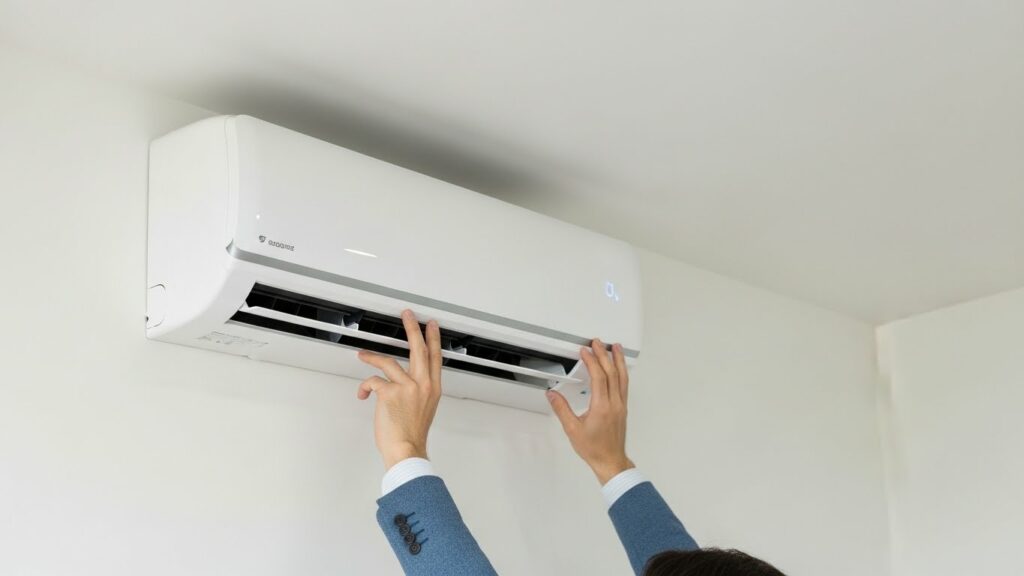
Commercial Air Conditioning Installation for Skokie Businesses
Comfortable, dependable cooling supports productivity, protects equipment, and shapes customer experience. For Skokie businesses—offices, restaurants, clinics, retail, light industrial spaces—commercial air conditioning installation is a strategic investment in operations and reputation. This guide explains how professionals analyze your building, coordinate with stakeholders, and deliver a code-compliant system that performs during peak demand. If you are outlining a project plan or preparing an RFP, keep this resource on air conditioning installation nearby as a quick glossary and process reference.
Unlike residential projects, commercial installations often involve larger capacities, multiple zones, complex ventilation needs, and integration with building automation systems. Considerations include roof load calculations, curb adapters for rooftop units, outside air requirements for occupancy levels, and coordination with fire alarm, electrical, and structural trades. A disciplined process preserves timelines and reduces disruptions to staff and customers.
Assessment and Load Calculations
The foundation of a successful commercial installation is a detailed load calculation that accounts for occupancy patterns, plug loads from equipment, lighting heat, solar gains through glazing, and ventilation requirements. In retail, fluctuating foot traffic drives variable cooling needs; in offices, diverse schedules and meeting rooms require flexible zoning. Medical and dental spaces have additional requirements related to ventilation and filtration. Your installer will combine field measurements, building drawings, and usage data to create a right-sized solution that avoids short cycling and supports steady humidity control.
System Options for Commercial Spaces
Common commercial solutions include packaged rooftop units (RTUs), variable refrigerant flow (VRF) systems, split systems for smaller suites, and dedicated outdoor air systems (DOAS) that condition and dehumidify ventilation air before it enters occupied spaces. Each approach has trade-offs involving first-stage capacity control, part-load efficiency, maintenance access, and control integration. In multi-tenant buildings, metering and submetering strategies are also considered to ensure accurate allocation of energy use.
Ventilation and Indoor Air Quality
ASHRAE guidelines and local codes inform ventilation rates and filtration levels. Many Skokie businesses benefit from improved filtration media, properly sized outside air intakes, and energy recovery ventilation that tempers outside air to reduce load on cooling equipment. Balancing dampers, economizers, and CO2-based demand control strategies can maintain fresh air while optimizing energy performance. During installation, technicians verify that supply, return, and outside air paths are sealed and correctly balanced.
Electrical, Controls, and BAS Integration
Commercial systems depend on robust electrical design and controls. Your project may include new disconnects, dedicated circuits, or panel coordination. Controls range from standalone thermostats to networked building automation systems that manage schedules, alarms, and trend logs. Early integration planning avoids commissioning conflicts and ensures the system responds predictably to occupancy patterns, weather, and after-hours needs.
Project Phasing and Occupied Buildings
Most commercial installations proceed in phases to keep operations running. Night or weekend work windows, rooftop crane scheduling, and temporary cooling strategies minimize disruption. Clear signage, safety barriers, and coordination with facility management protect employees and customers. In restaurants and retail, the team may align noisy activities with off-peak hours, while in medical or office environments, they may sequence work by zone to maintain quiet spaces for appointments or meetings.
Mid-Project Quality Checks
By the midpoint, major equipment is often set, ductwork modifications are underway, and controls cabling is pulled. This is the time to verify sensor locations, thermostat placement, and BAS integration points. It is also a good checkpoint to compare the scope with field conditions and document any changes that improve performance or simplify maintenance. For a convenient refresher on best practices, review an overview of professional air conditioning installation and ensure commissioning steps are built into the schedule.
Commissioning and Performance Verification
Commissioning includes refrigerant charging, airflow measurement, static pressure checks, and verification of safety controls. For VRF and RTU systems, technicians confirm staging behavior, economizer function, drain operation, and alarm reporting to the BAS if applicable. Trend logs help validate thermostat setbacks, occupancy schedules, and demand control strategies. Documented commissioning ensures stakeholders understand how the system should respond and provides a baseline for ongoing maintenance.
Noise, Vibration, and Neighbor Considerations
Commercial installations must balance performance with acoustics. Rooftop units require appropriate vibration isolation, and interior mechanical rooms need sound attenuation for adjacent workspaces. Attention to airflow velocity, diffuser selection, and duct lining can further reduce noise. In mixed-use areas, outdoor equipment placement must consider nearby residences and property lines, with attention to service clearances and local regulations.
Maintenance Planning and Staff Training
Before turnover, discuss maintenance schedules, filter types, belt inspections (if applicable), cleaning intervals, and access procedures. Provide quick-reference documentation for your staff and identify what can be handled in-house versus by service technicians. Establishing a routine before peak season helps avoid unscheduled downtime and supports better indoor air quality throughout the year.
Skokie Permitting and Inspection
Commercial projects in Skokie typically require mechanical and electrical permits, with inspections focusing on equipment anchorage, clearances, fire/smoke damper status where present, disconnects, and condensate management. Timely coordination with inspectors helps maintain momentum, especially when cranes or after-hours work are involved. Partnering with a local team speeds approvals and ensures documentation aligns with municipal expectations.
Frequently Asked Questions
Q: How do we choose between RTU, VRF, and split systems?
A: The decision depends on building size, layout, zoning needs, and maintenance preferences. RTUs offer straightforward rooftop installation; VRF provides fine-grained zoning and efficiency; split systems suit smaller suites or targeted areas. A load and usage analysis guides selection.
Q: How can we reduce disruption during installation?
A: Phase work by zone, schedule noisy tasks during off-hours, use temporary cooling where needed, and coordinate with facility staff for safe access and clear signage. Clear communication minimizes surprises.
Q: What does commissioning include for commercial systems?
A: It verifies charge, airflow, controls, and safety functions; confirms BAS points and alarms; and documents setpoints, schedules, and trend logs. Proper commissioning is the key to predictable performance.
Q: How do ventilation requirements affect system size?
A: Outside air raises cooling loads. DOAS and energy recovery can condition ventilation air efficiently, limiting the burden on primary cooling equipment while maintaining indoor air quality.
Q: What training should our staff receive?
A: Basic filter changes, thermostat or BAS navigation, alarm acknowledgment protocols, and how to report issues effectively. Clear procedures reduce downtime and protect equipment.
Q: Are inspections difficult to schedule?
A: With experienced local partners, permitting and inspections can be built into the project plan. Early coordination keeps cranes, deliveries, and milestone testing aligned with inspector availability.
Keep Your Business Comfortable and Productive
Your customers and teams feel the difference when cooling is quiet, consistent, and responsive to demands. A well-planned commercial installation protects schedules, equipment, and budgets while improving daily comfort. When you are ready to move from planning to execution, connect with a local expert and outline the path to a dependable air conditioning installation that supports your business goals.