Residential Air Conditioning Installation for Skokie Homes
Reliable, efficient cooling begins with a careful, house-by-house approach. In Skokie, Illinois, residential properties range from mid-century ranches and brick bungalows to townhomes and multi-unit residences. Each layout, attic profile, and electrical service presents different opportunities for comfort, quiet operation, and energy performance. If you are planning an upgrade or new system, this guide explains how professionals evaluate your home, select equipment, and complete a clean, code-compliant installation. For a quick primer on the steps involved, you can reference this overview of air conditioning installation as you plan your project and list questions for your consultation.
Skokie’s climate requires systems that do more than just drop the temperature a few degrees. Humidity reduction, balanced airflow, and thoughtful zoning make living areas more pleasant and bedrooms more restful, even during heat waves. A well-installed system also protects your home by limiting condensation risks, preserving finishes, and improving filtration to reduce dust and pollen in indoor air. The process starts with an assessment that respects your home’s architecture, materials, and your family’s daily routines.
The Residential Evaluation: What Pros Check First
Before any equipment is selected, your installer will conduct a load calculation to determine the right capacity for your home. That assessment looks at square footage, insulation levels, window size and orientation, air leakage, and how sunlight interacts with your structure throughout the day. In addition, pros evaluate duct design, attic access, crawlspace conditions, and the suitability of outdoor areas for condensers or heat pumps. The result is a system plan customized to your home, not a one-size approach that risks over- or under-sizing.
Choosing Between Central, Ductless, and Heat Pump Options
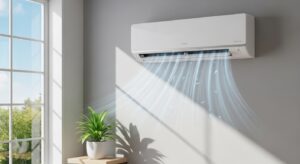
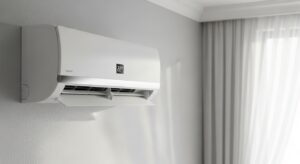
Central split systems remain popular when ductwork is present or feasible, offering even coverage throughout the home. Ductless mini-splits shine in additions, finished attics, or homes where ducts would be invasive or impractical. Heat pumps provide both cooling and efficient heating in shoulder seasons, reducing the strain on other heating equipment. During the selection process, discuss efficiency ratings, noise targets, and the controls you prefer, such as smart thermostats, zoning panels, or room-by-room remotes for ductless heads.
Designing for Quiet, Comfort, and Clean Air
Comfort comes from more than temperature. Properly sized return air, sealed ducts, and measured airflow at each supply register contribute to steady, quiet performance. If your home has rooms that are consistently warmer than others, your installer may recommend adding returns, balancing dampers, or slight duct resizing. Indoor air quality upgrades include better filtration that matches your blower capability, fresh-air ventilation strategies, and humidity control for muggy summer days. The right combination helps you sleep better and feel more comfortable throughout the day.
Electrical, Condensate, and Safety Basics
Residential installations must follow electrical codes for dedicated circuits, disconnects, and grounding. A strong installation plan also addresses condensate removal using properly sloped drains or pumps, along with safety switches that stop the system if a drain backs up. These details protect your home from water damage while keeping the system easy to service. Your contractor will also consider line set routing and insulation to preserve efficiency and aesthetics, and they will plan anchoring and vibration isolation for quiet, stable operation.
What to Expect on Installation Day
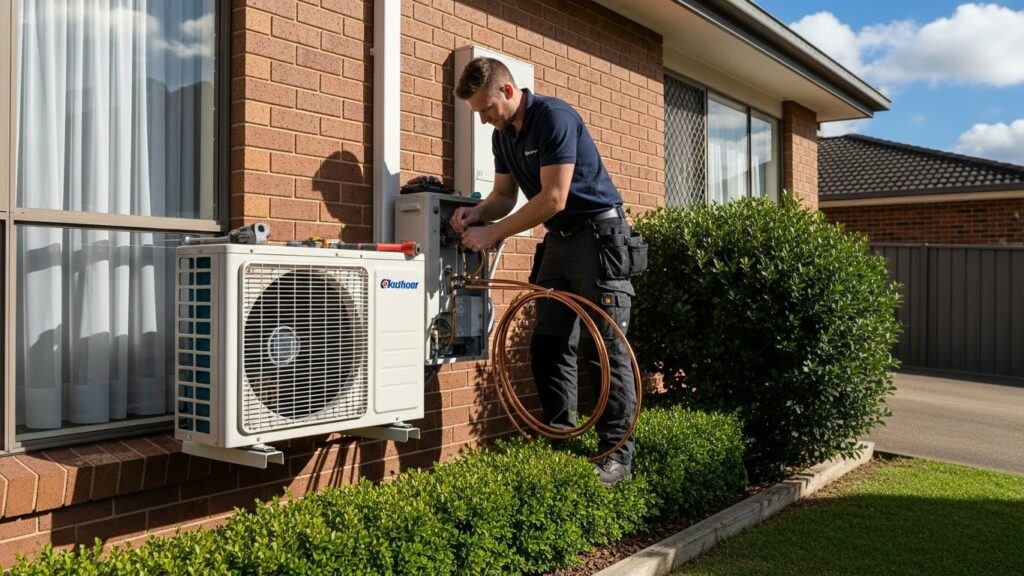
On the day of installation, expect a methodical sequence: equipment staging, removal of old components, placement of new indoor and outdoor units, line set routing, electrical connections, condensate management, pressure testing, evacuation, charging, and system commissioning. A professional crew will protect floors, manage debris, and review the plan with you before work begins. You will receive updates through the day and a final walkthrough that covers thermostat programming, filter changes, and key maintenance points.
Planning for Zoning and Room-by-Room Control
If your home has a large footprint, multiple levels, or rooms with vastly different exposures to sun and shade, zoning can make a significant comfort difference. Zoning uses dampers and controls to direct cooling where it is needed most without over-conditioning other areas. For ductless systems, choosing the right number of indoor heads and their placement is key to balancing temperature and reducing hot spots. Your installer will review your family’s routines so zones mirror your daily life.
Condensers, Placement, and Quiet Operation
Outdoors, the condenser or heat pump must sit on a stable, level pad with adequate clearance for airflow and service access. Good placement respects neighbors, bedroom windows, and landscaping, and often includes vibration isolation pads for an extra measure of quiet. Line sets should be protected from sun and physical damage, with covers that blend into your home’s exterior while allowing technicians to access service ports.
Mid-Project Checkpoints
As the project reaches the midpoint, you will likely see the indoor unit secured, line sets run, and the condenser mounted. This is a good time to confirm thermostat locations, review any aesthetic concerns about line set covers, and ask about commissioning steps. For background on how technicians verify system performance, you can read more about the best practices behind air conditioning installation and compare those steps with what your team is doing on-site.
Commissioning: The Final Quality Gate
Commissioning ensures the system operates as designed. Technicians will evacuate the refrigerant lines, weigh in or adjust refrigerant charge, and confirm target superheat or subcooling. They will check air temperature differences across the coil, measure static pressure, and verify electrical readings. Finally, they will set up your thermostat or zoning controls and walk you through optimal settings for daily use and energy efficiency.
Maintenance to Protect Your Investment
Regular filter changes, outdoor coil cleaning, and seasonal tune-ups keep a system efficient and reliable. Keep shrubs and debris away from the outdoor unit, and do not block indoor returns or supplies with furniture or rugs. Talk with your installer about recommended maintenance intervals and any warranty requirements for routine service. Building these tasks into your calendar—especially before peak summer—helps you avoid mid-season surprises.
Skokie-Specific Considerations
Local permitting and inspections help ensure safety and performance. Your installer will coordinate with municipal inspectors, document equipment details, and confirm code-compliant electrical work and condensate handling. If you live in a townhome or condo, there may be association rules regarding outdoor unit placement or working hours. Local pros are familiar with these requirements and can help you secure approvals efficiently.
Homeowner Prep Checklist
- Clear the pathway from entry to the indoor unit location and to the electrical panel.
- Secure pets in a quiet room away from the work area.
- Move vehicles to provide driveway space for staging and tools.
- Identify any fragile surfaces or tight spaces that require extra care.
- Discuss thermostat preferences and where you want it installed.
Comfort Tips for the First Week
During the first week, take note of how the home feels at different times of day. Small adjustments to thermostat schedules, register positions, or door positions between rooms can optimize airflow. If you notice unusual sounds, hot spots, or moisture near the drain, call your installer promptly for a check. Early feedback helps fine-tune performance, especially in homes that have recently undergone renovations or insulation updates.
Frequently Asked Questions
Q: How do I decide between central and ductless for my Skokie home?
A: If ductwork exists and is in good shape, central systems provide excellent whole-home consistency. Ductless is ideal for additions, converted attics, or homes where new ducts are impractical. Your installer will weigh efficiency, aesthetics, and comfort goals.
Q: Will installation damage walls or finishes?
A: Professionals plan penetrations carefully, use protective coverings, and route line sets to minimize impact. Any wall openings for line sets or refrigerant lines are sealed and finished neatly.
Q: How loud will the new system be?
A: Modern equipment is much quieter than older models. Proper placement, isolation pads, and secure mounting reduce noise indoors and outdoors.
Q: How do filters affect performance?
A: Filters capture particulates and protect coils, but they must match your blower’s capability. An overly restrictive filter can reduce airflow. Your installer will recommend an appropriate filter and replacement schedule.
Q: Can I control different floors separately?
A: Yes. Zoning and smart controls can prioritize cooling for upper levels during the evening and shift to main living areas during the day.
Q: What if my home has limited electrical capacity?
A: Your installer will assess panel capacity and propose solutions such as dedicated circuits or, if needed, electrical upgrades coordinated with a licensed electrician.
Make Your Skokie Home Summer-Ready
If you are ready for quieter nights, cleaner indoor air, and even cooling across every room, it is time to plan your project with a qualified local professional. Get a tailored assessment, choose an efficient system, and enjoy reliable comfort all season long. Start by scheduling a conversation about the right air conditioning installation for your home and take the first step toward a cooler summer.